

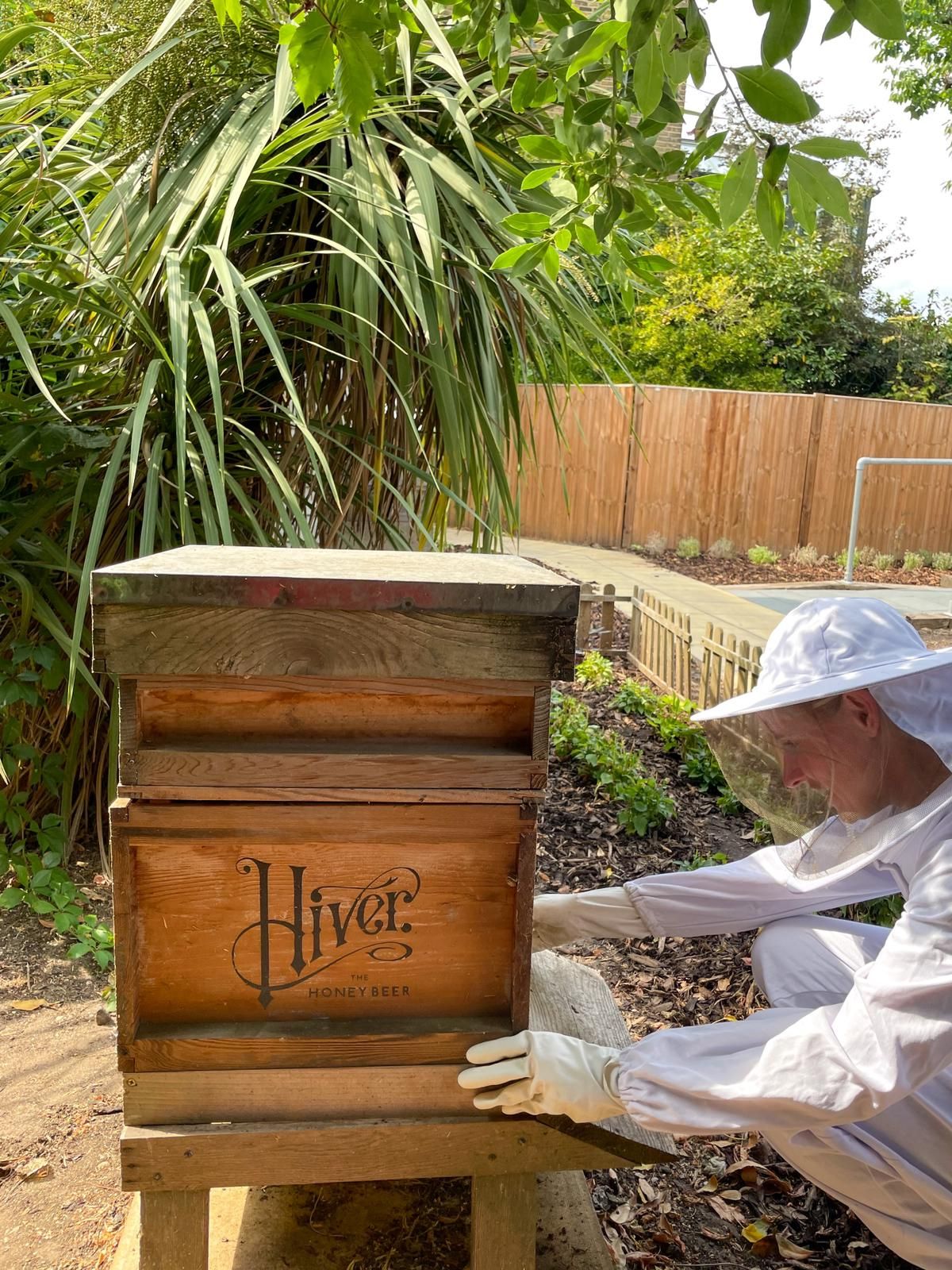
We are Buzzing to introduce you to the White Bears Bees. Honeybees are essential to the UK’s domestic food production. British fruit and vegetables and our meat and dairy industries all depend on bee pollination. This is why we have made the decision to re-activate the hives in our garden. We are passionate about the welfare of bees and are so pleased we can take this step towards sustainably produced honey.
Our Hives are only just starting up but very soon we hope to be producing enough honey that there will be hints of it throughout our menus. Follow our honey journey on our social channels and by signing up for our newsletter.
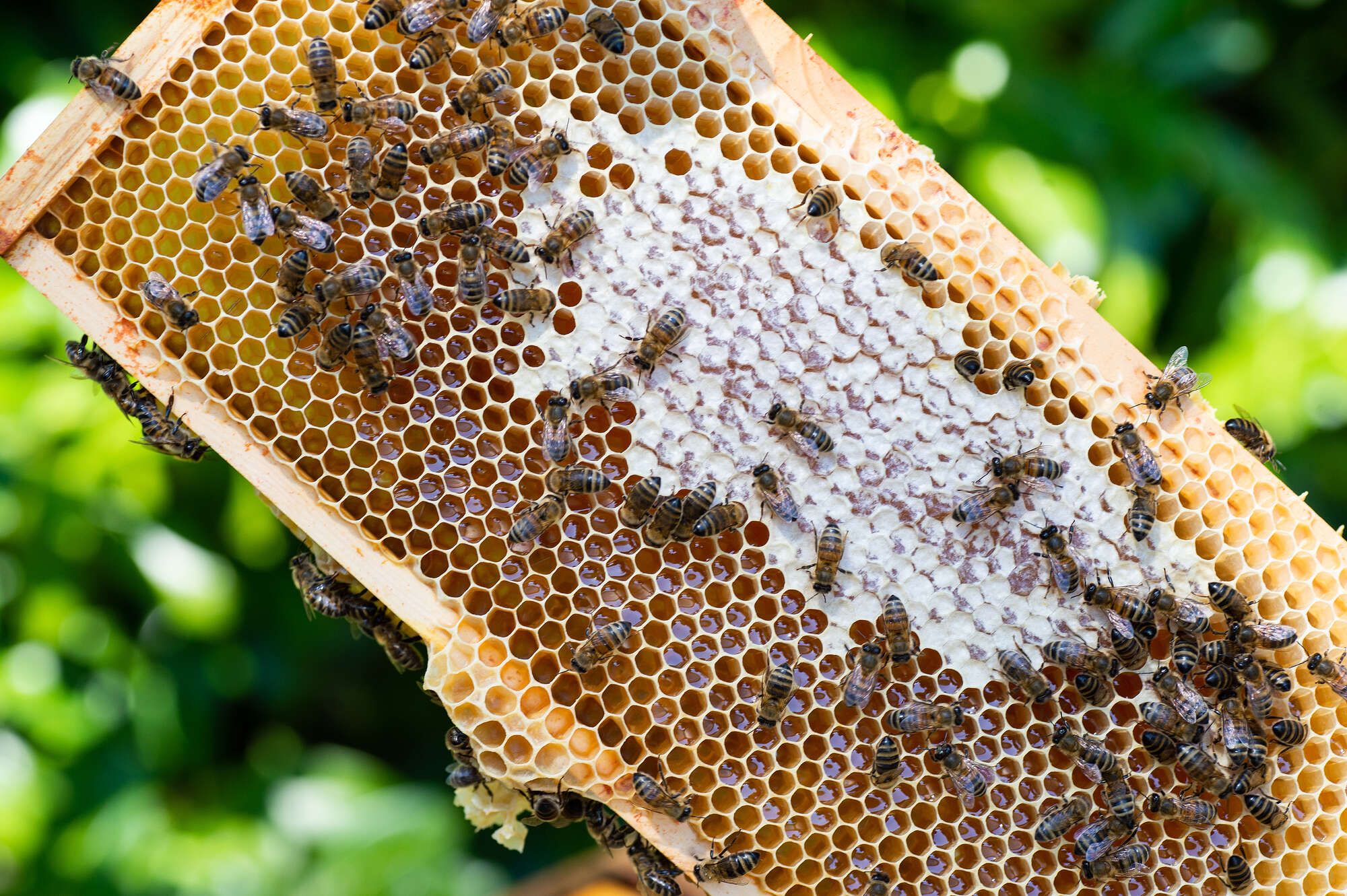
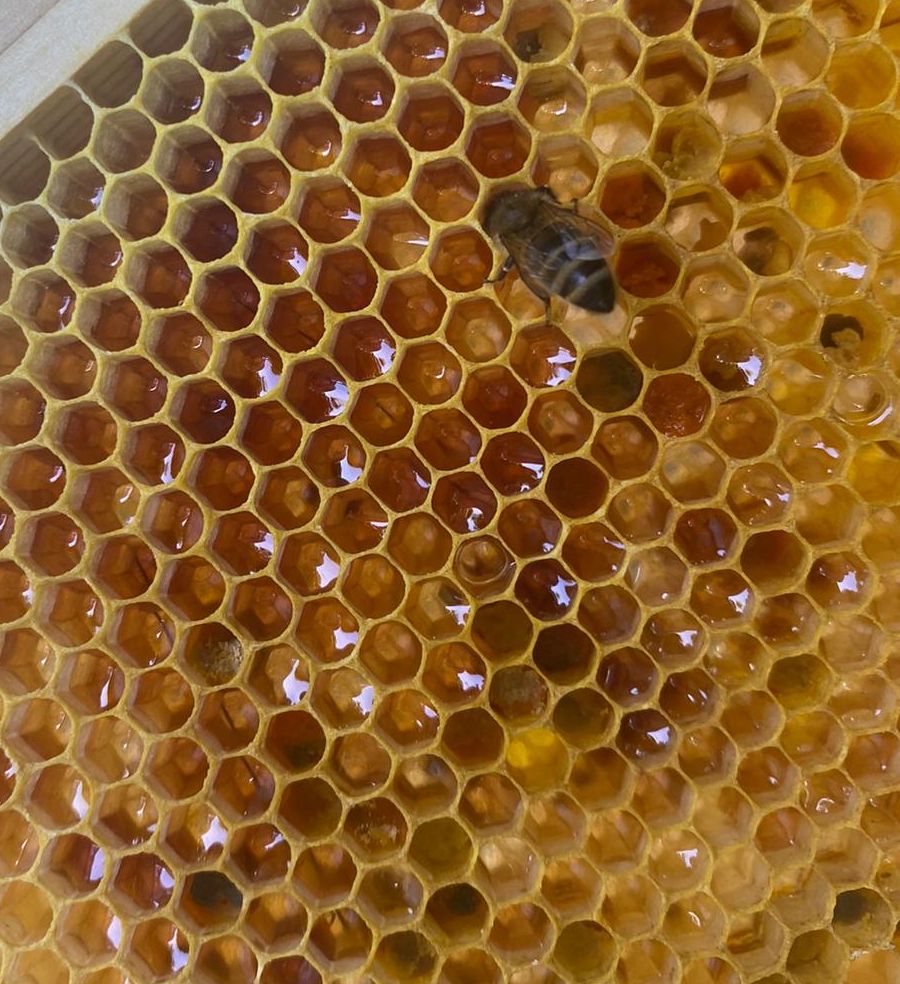
The Hive has ‘scout’ bees that find the best sources of nectar and pollen from which to forage. Depending on the area it can be quite diverse and could range from dandelions to apple and pear trees – all of which will give each honey its own distinct flavour. The bees gather the nectar and bring it back to the hives to begin filling honeycombs. In the evening, they use their wings to fan the nectar, evaporating moisture and concentrating the liquid to make honey.
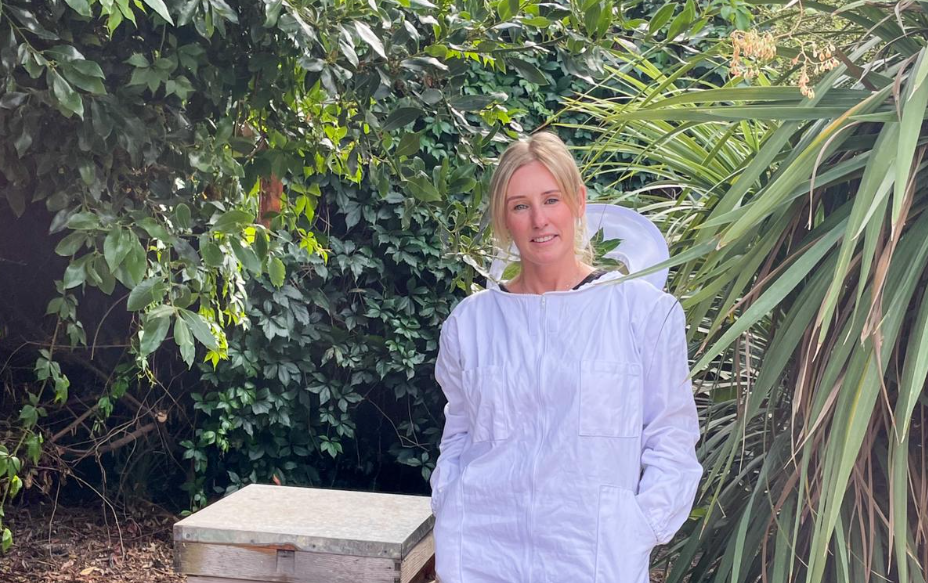
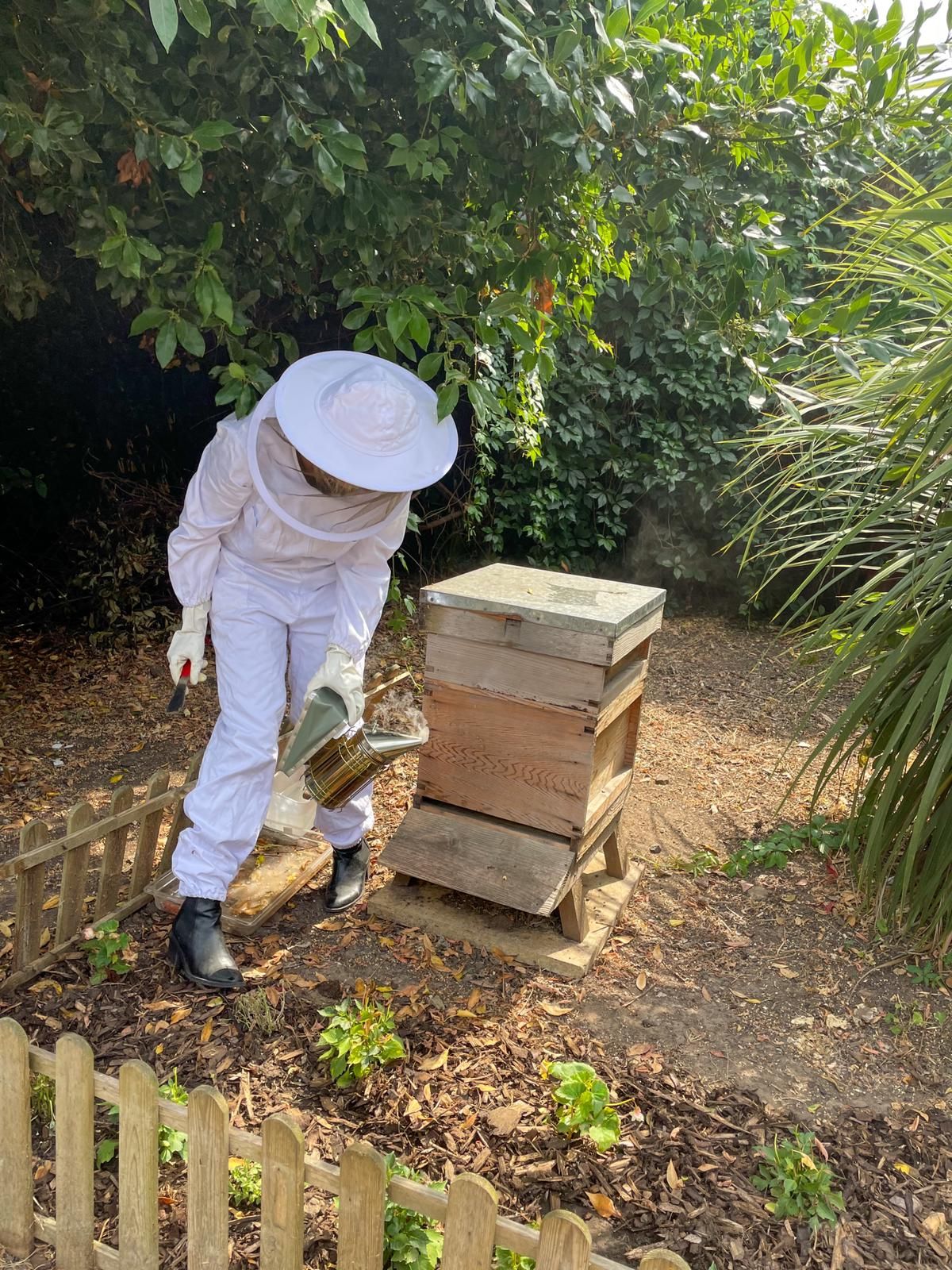
Beekeeper Amanda has been taking care of our bees in the garden at the White Bear and they are thriving. When the Swarm was caught in Epping Forest and brought over to our hives at the White Bear, there were only around 10,000 bees that number has already more than tripled.
Amanda first started Beekeeping with a local group in lockdown but it has been something she has always wanted to do. She quickly became fascinated with how important Bees are to the Earth’s ecosystem. As pollinators, bees play a part in every aspect of the ecosystem. They support the growth of trees, flowers, and other plants, which serve as food and shelter for many creatures. Bees contribute to complex, interconnected ecosystems that allow a diverse number of different species to co-exist.
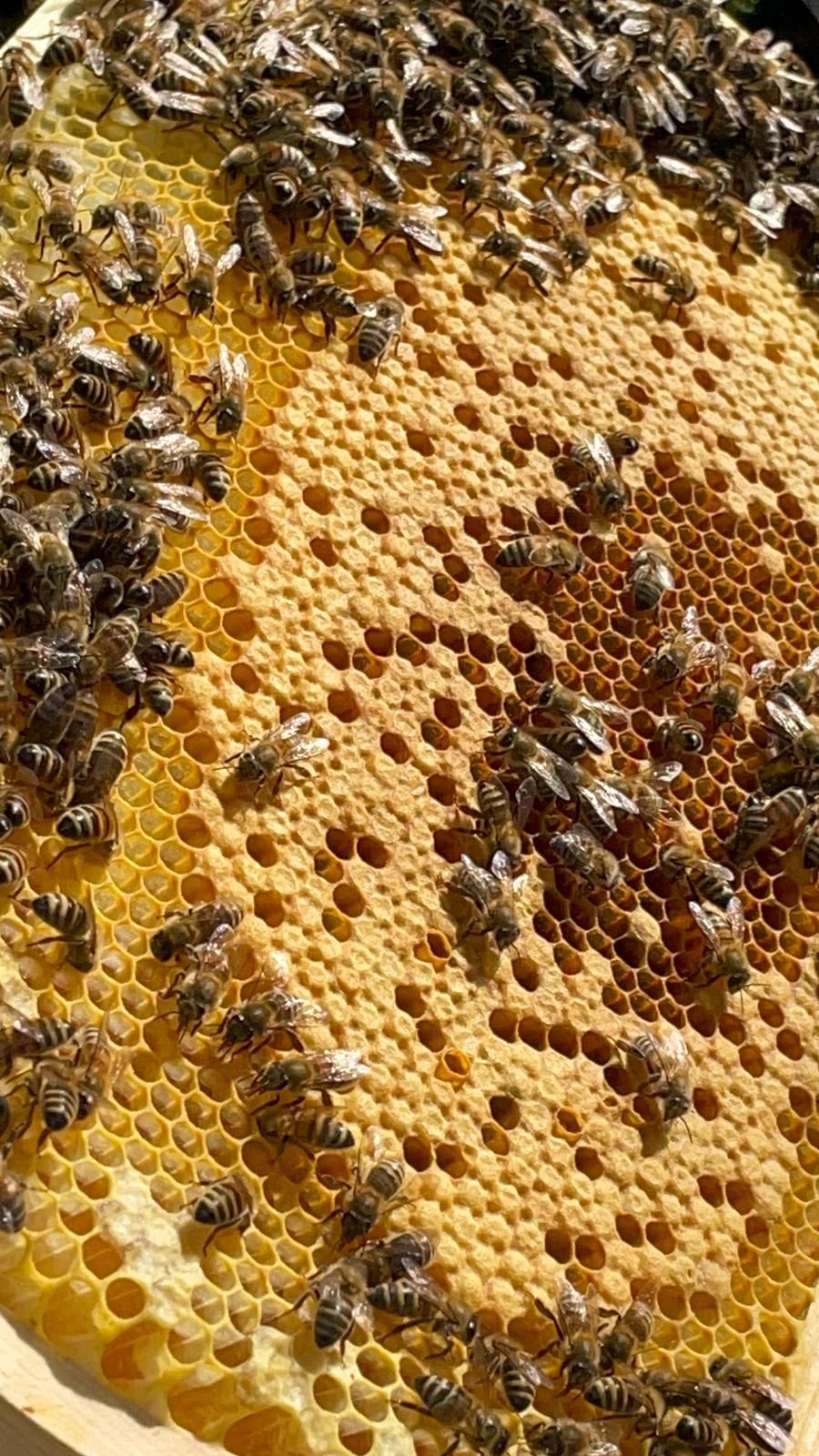
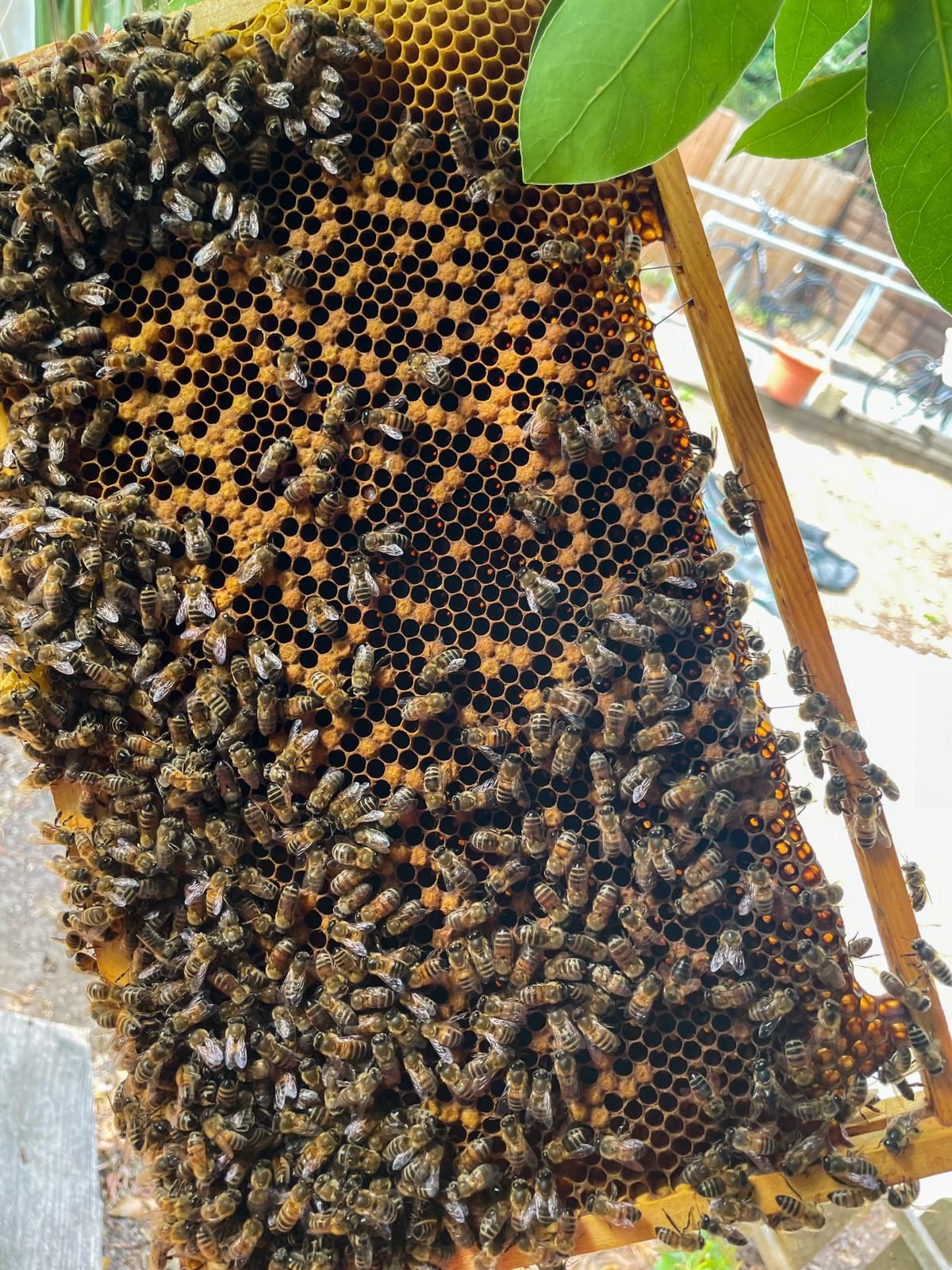
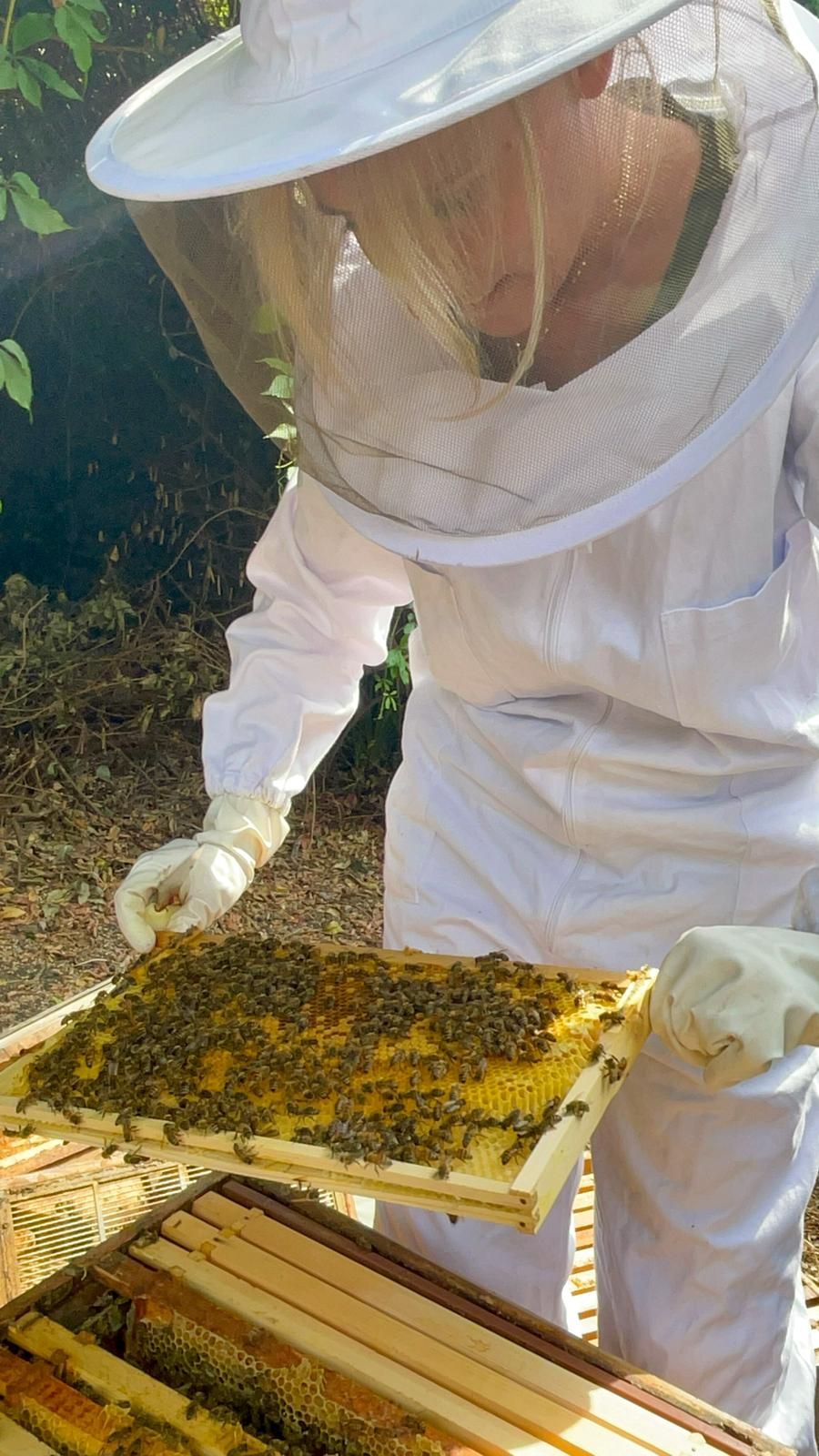
Bees communicate with each other so that the colony can find the best source of nectar or the best nest site for their swarm
The bees know when their honey is ready to be sealed with beeswax – they’re like food technologists in the hives, checking on the quality of the honey
Bees make honeycomb in a way that’s mathematically perfect to hold the most amount of honey using the least amount of wax.
Bees have a series of different job roles in their lifetimes, from nurse bees who look after the young bees to scout bees and foragers.
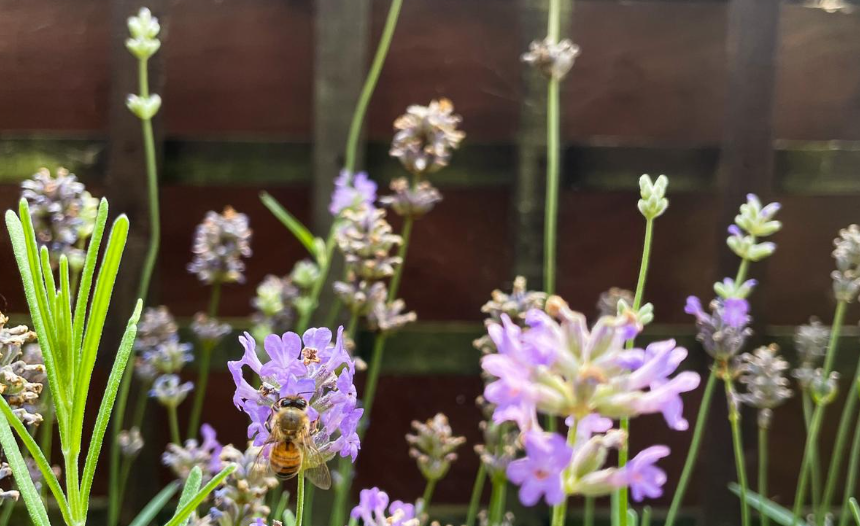
It doesn’t matter if you live in the city or the countryside. If you have a garden, a flower pot – or no outdoor space at all!
Bumblebees do an amazing job pollinating our crops and wildflowers. But as our towns and countryside change, there are fewer flowers to feed on, so bumblebees need a helping hand to survive.
Add one bumblebee-friendly plant to your outdoor space – whether you have flowerpots, a window box, hanging baskets or a traditional flower bed. Your local garden centre will be able to help you pick!
Make space for bumblebee nests by leaving ‘untidy’ areas in your garden: let patches of grass grow longer and wild, or start a compost heap.
Put the ‘Bee the Change’ poster in your window to inspire even more people to help bumblebees, or have fun designing your own!
People of all ages can have fun spotting bumblebees this summer and learning about the different species – download your handy ID guide here.